


Contemporary Community Textile Artist Derbyshire UK
Collaboration Kindness Carbon Sensitivity

Wilderness Quilt
Festival Of Quilts 2020
Lockdown Stitching, Repurposed Material And Emotional Process
Period
2020
My Role
Artist
Project Type
Individual Textile Artwork
Location
UK / Online
Project Overview
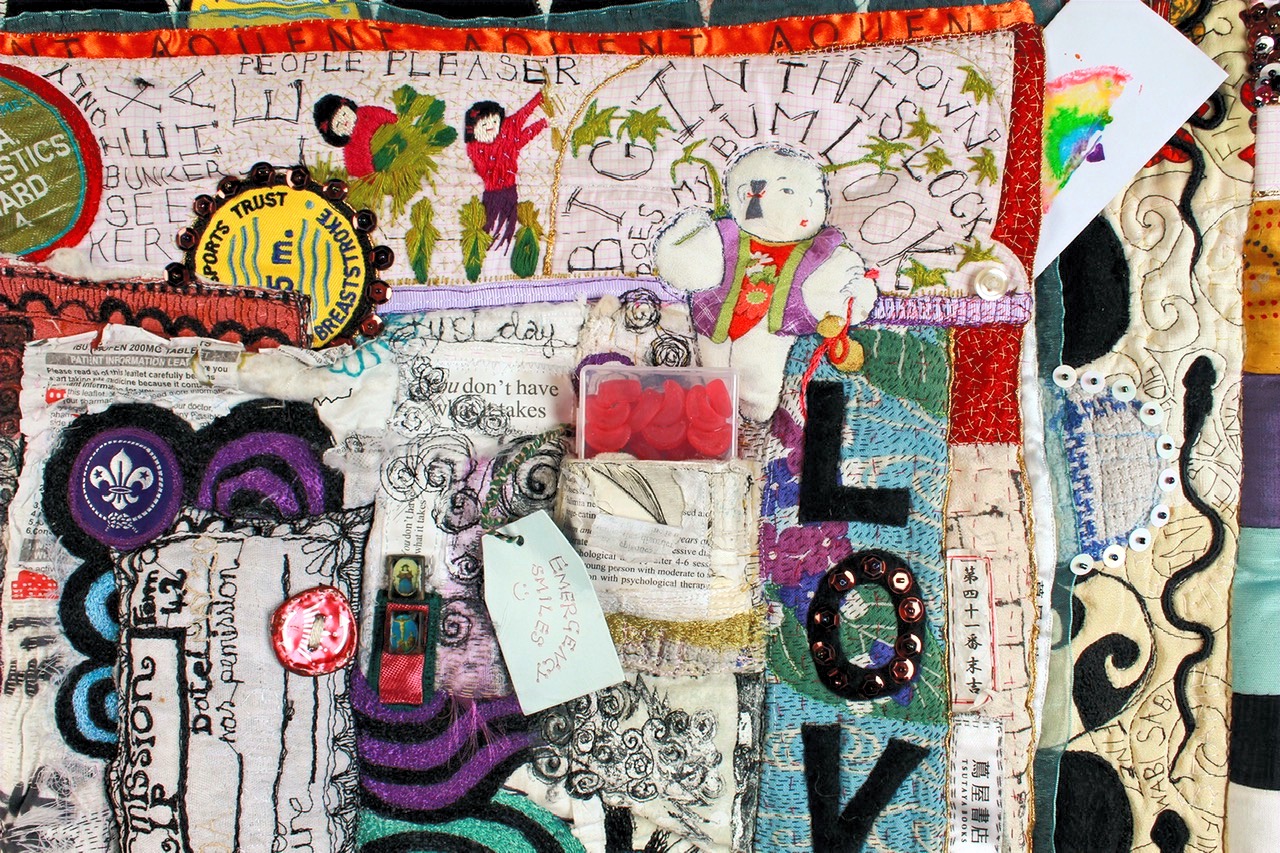
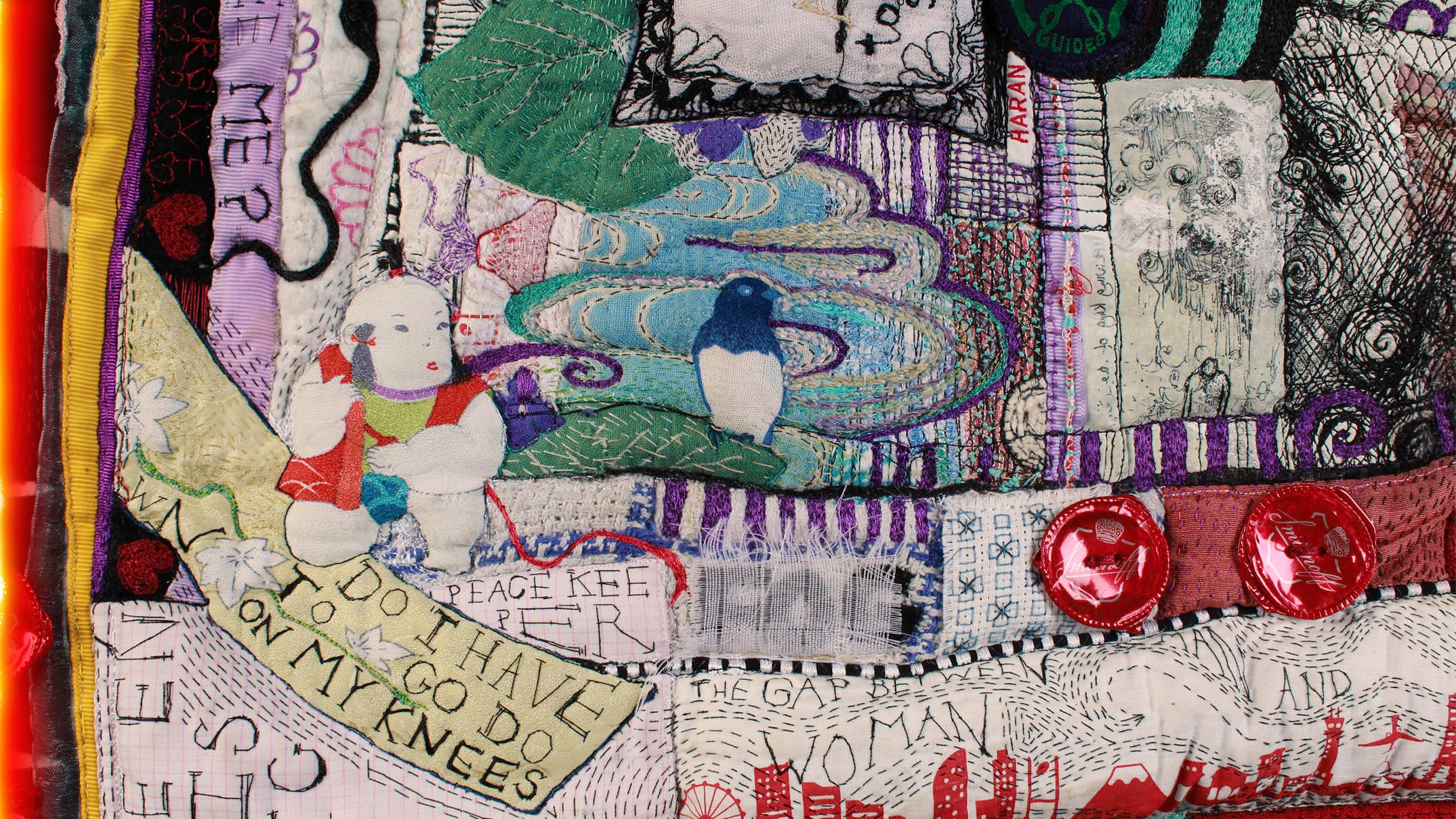
Wilderness Quilt was made during the 2020 lockdown over roughly nine weeks of sustained stitching and was later entered into the Art Quilt category of Festival Of Quilts 2020. I moved between free machine work and detailed hand embroidery, often spending long periods under the sewing machine or working by hand on the floor. The making was physically demanding and emotionally absorbing, and that intensity became part of the work rather than something hidden behind the finished surface.
Nine Weeks Of Lockdown Stitching
At the time I described the piece as both therapeutic and emotionally demanding. I was using stitch to work through a period when normal routines, exhibitions and face to face contact had stopped. Repurposed textile elements became part of the surface, and the slower hand work sat beside freer machine stitched areas. My original 2020 Wilderness Quilt blog records that process, including the effort of photographing the finished piece with help from Amelia Horton at King Edward VI College.
From Online Festival To Later Exhibition
The finished quilt was entered into the Art Quilt category of Festival Of Quilts 2020. Because the event moved online that year, seeing it in the digital gallery gave the work a public life at a time when physical exhibition spaces were largely unavailable. It later appeared again in the Textile Fantasies exhibition at Open Gallery in Halifax, giving the work another context beyond lockdown. The Open Gallery exhibition record provides an independent record of that later showing.
Material Reuse & Process
Looking back, Wilderness Quilt sits near the beginning of several threads that continue through my practice: slow hand work, emotional reflection, reused material and a willingness to let the process remain visible. It was not made as a sustainability statement, but using what was already around me became part of a wider habit of working resourcefully that has grown much more deliberate in later projects.
The use of repurposed material also connects with my wider approach to sustainability and resourceful making, where material choices are part of the thinking behind the work rather than an afterthought. That willingness to reuse material and let process remain visible became more explicit later in Phoenix From The Bin, where found and discarded material became central to the work rather than a supporting detail.


